Cholesterol (CAS 57-88-5) as Cosmetic Raw Material
Cholesterol (CAS 57-88-5), a natural sterol lipid, is a critical multifunctional raw material in cosmetic formulations. Derived primarily from plant sources (e.g., pine wood) for cosmetic-grade applications, it offers exceptional compatibility with human skin due to its structural similarity to skin’s natural lipids. This ingredient plays a pivotal role in enhancing skin barrier function, locking in moisture, and improving product texture, making it a staple in high-end skincare and makeup products.
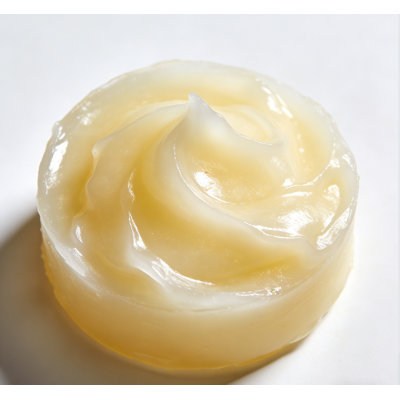
In cosmetic applications, cholesterol acts as a superior emollient and skin conditioning agent. It replenishes the skin’s lipid matrix, which is essential for repairing dry, damaged skin and reducing transepidermal water loss (TEWL). Its emulsifying properties help stabilize formulations, ensuring uniform texture in creams, lotions, lipsticks, and foundations. Additionally, it enhances the spreadability of products and imparts a smooth, non-greasy finish, elevating the user experience. Plant-derived cholesterol, in particular, is preferred for its safety profile, avoiding potential animal-derived contaminants.
The following table presents the key technical specifications of cosmetic-grade cholesterol (CAS 57-88-5):
|
Specification Item
|
Technical Parameter
|
|
CAS Number
|
57-88-5
|
|
Molecular Formula
|
C₂₇H₄₆O
|
|
Molecular Weight
|
386.66
|
|
Appearance
|
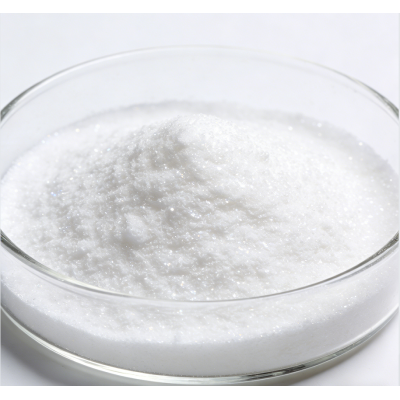
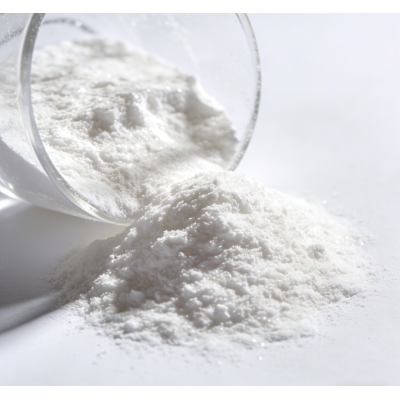
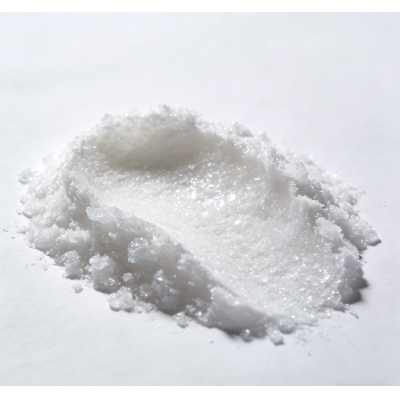
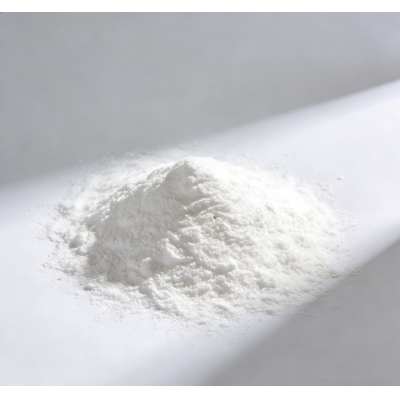
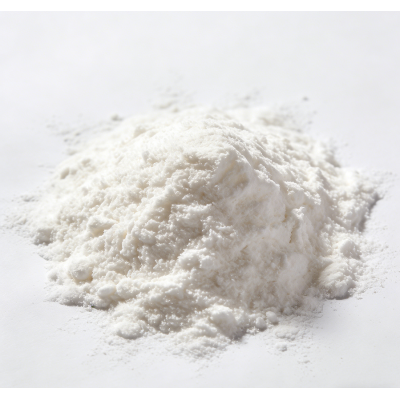
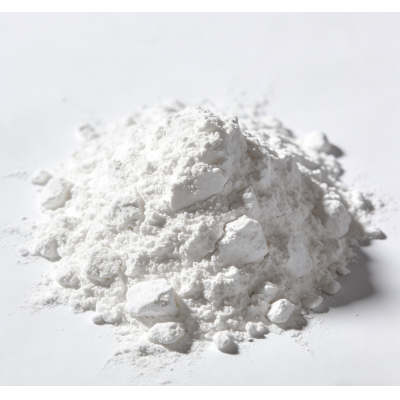
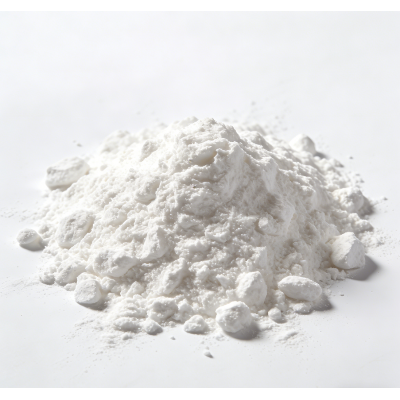
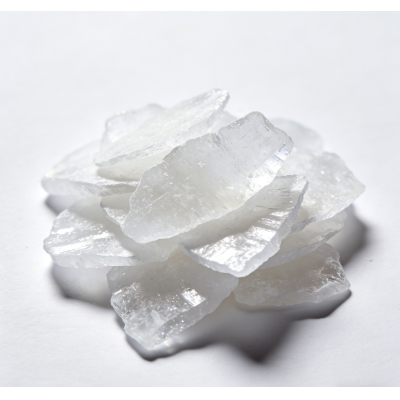
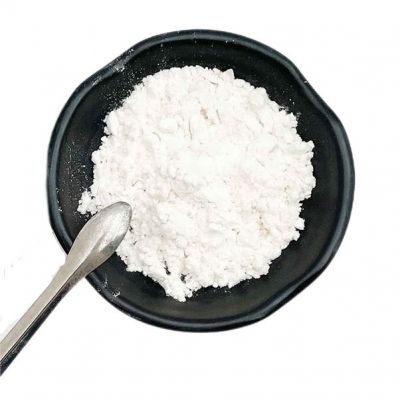
White to off-white crystalline powder
|
|
Purity (Assay)
|
≥ 99% (EP/USP Standard)
|
|
Melting Point
|
147-150°C
|
|
Specific Rotation [(α)₂₀D]
|
-31.5° to -39.5° (2% in chloroform/ether)
|
|
Moisture Content (LOD)
|
≤ 0.5%
|
|
Heavy Metal Content
|
≤ 10 ppm
|
|
Solubility
|
Insoluble in water; soluble in ethanol, chloroform, ether
|
|
Storage Condition
|
Sealed, cool and dry place; avoid heat and air
|
|
Shelf Life
|
24 months under proper storage
|
Cosmetic-grade cholesterol adheres to strict safety standards, with low endotoxin levels and compliant microbial limits. It is suitable for sensitive skin formulations and compatible with other common cosmetic ingredients such as hyaluronic acid, ceramides, and plant extracts. Its versatility and skin-friendly properties make it an indispensable ingredient for formulators aiming to create effective, high-quality cosmetic products.