Glycine (CAS 56-40-6) - Cosmetic Raw Material Introduction
Glycine, with CAS number 56-40-6 and also known as aminoacetic acid, is the simplest proteinogenic amino acid and a versatile ingredient widely used in cosmetics and personal care products. As a non-essential amino acid naturally present in human skin, it integrates seamlessly into cosmetic formulations, delivering multiple benefits including moisturization, skin conditioning, and pH regulation. Its unique small molecular structure allows easy penetration into the stratum corneum, making it ideal for various product types such as moisturizers, serums, cleansers, and hair care items.
As a key component of natural moisturizing factors (NMFs) in the skin, glycine effectively enhances the skin’s moisture-binding capacity, preventing dehydration and improving dry, rough skin textures. It also acts as a precursor for collagen synthesis—collagen contains approximately 35% glycine—which helps maintain skin elasticity and reduce visible signs of aging. Additionally, glycine exhibits anti-inflammatory properties, making it suitable for sensitive or acne-prone skin formulations. In hair care products, it functions as an antistatic and conditioning agent, promoting smoother, more manageable hair.
Below is the professional technical data sheet of glycine (CAS 56-40-6) for cosmetic applications:
|
Item
|
Specification
|
|
CAS Number
|
56-40-6
|
|
EINECS Number
|
200-272-2
|
|
Molecular Formula
|
C₂H₅NO₂
|
|
Molecular Weight
|
75.07 g/mol
|
|
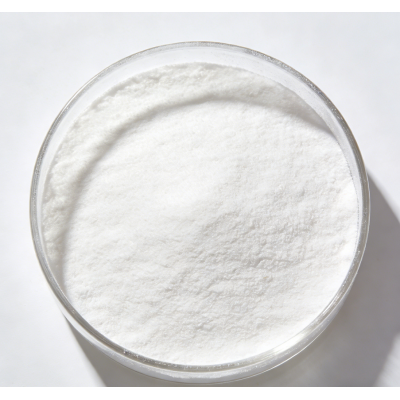
Appearance
|
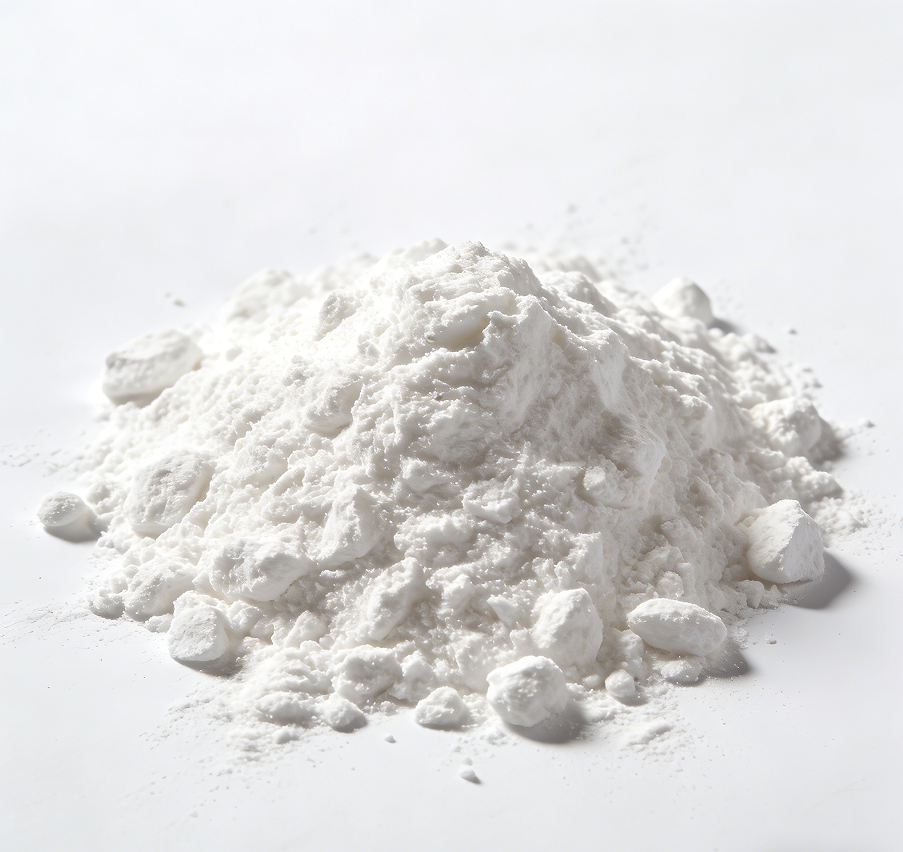
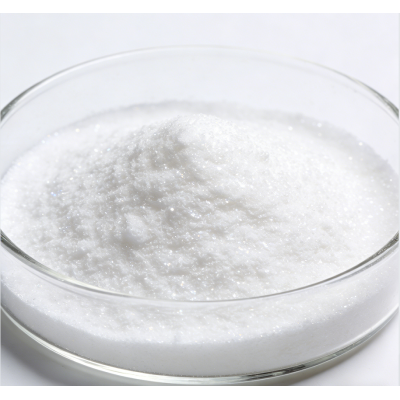
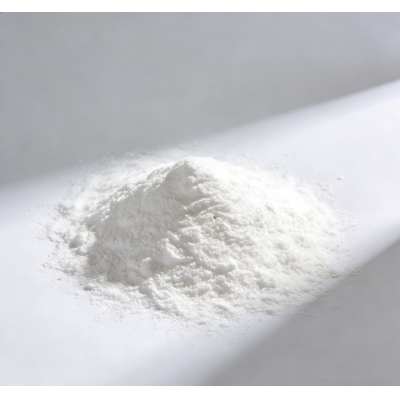
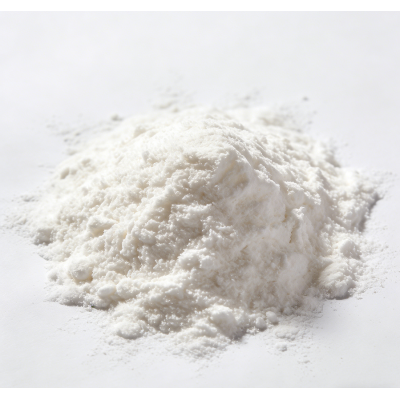
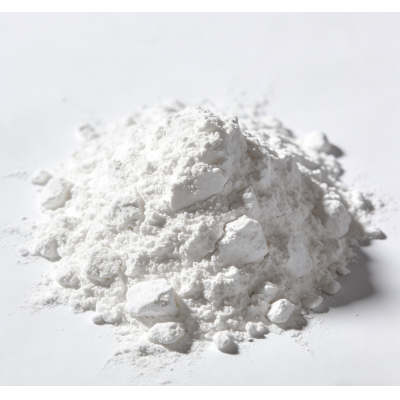
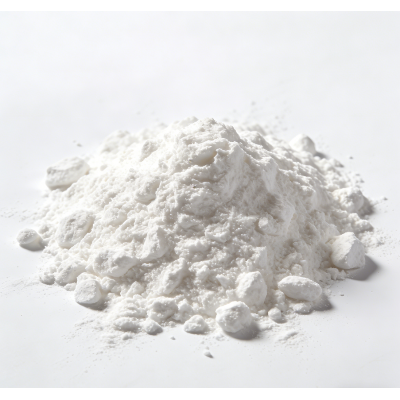
White crystalline powder, odorless
|
|
Melting Point
|
233-240 °C (decomposes)
|
|
Solubility (25 °C)
|
25 g/100 mL in water; insoluble in ethanol/ether
|
|
pH Value
|
5.8-6.4 (5% aqueous solution)
|
|
Purity
|
≥99.0%
|
|
Loss on Drying
|
≤0.5%
|
|
Safety Grade
|
GRAS (FDA); WGK 1 (slightly hazardous to water)
|
|
Cosmetic Functions
|
Moisturizing, skin conditioning, hair conditioning, antistatic, buffering
|
Glycine is produced via synthetic methods (e.g., from chloroacetic acid and ammonia) for cosmetic use, ensuring high purity and consistency. It is compatible with most cosmetic ingredients, including humectants, emollients, and active compounds like tea tree oil or hyaluronic acid. With its excellent safety profile (LD₅₀ orally in rabbit: 7930 mg/kg) and multifunctional properties, glycine has become a staple in formulating gentle, effective cosmetic products for all skin and hair types.