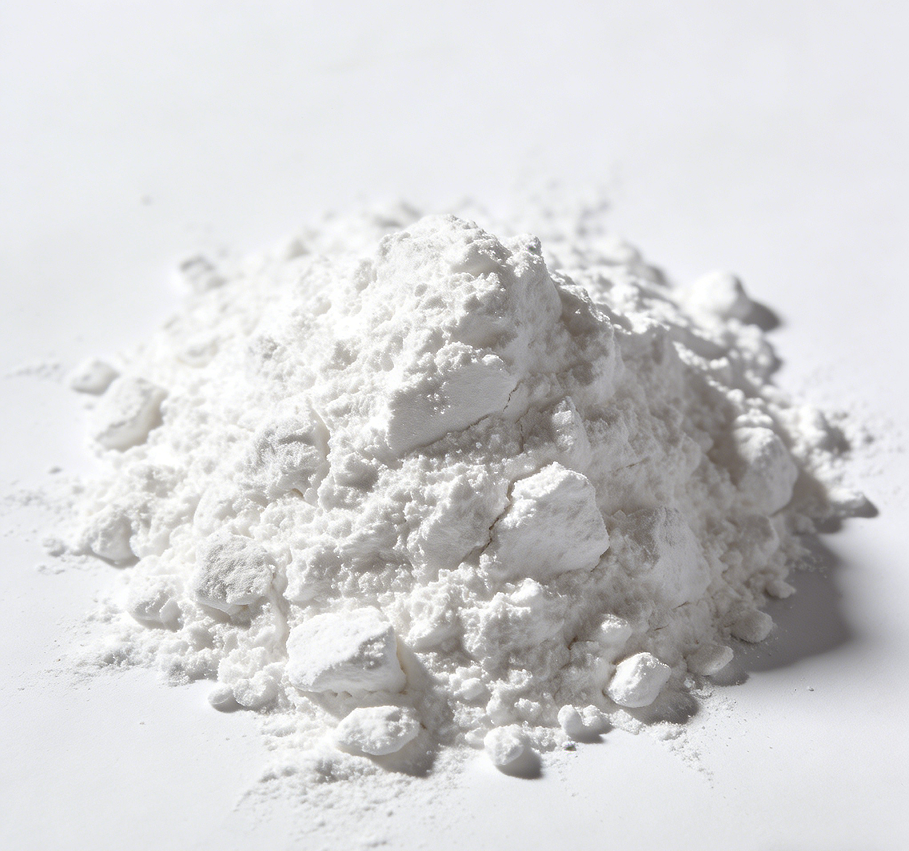
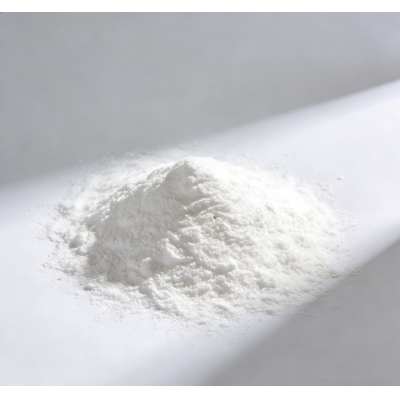
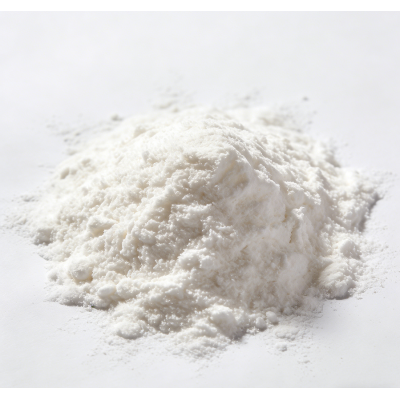
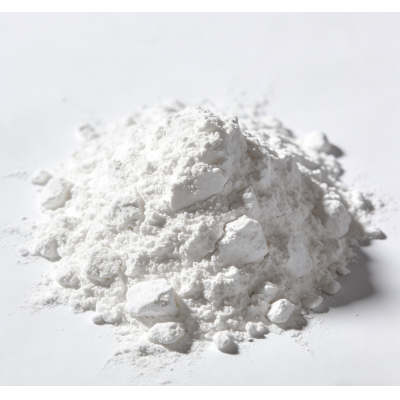
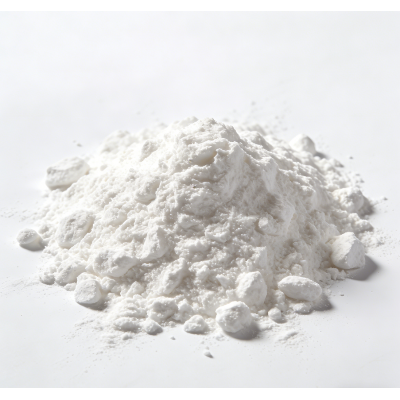
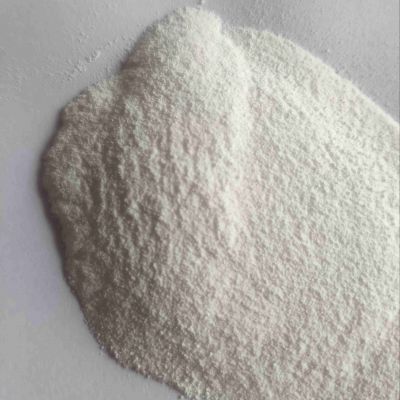
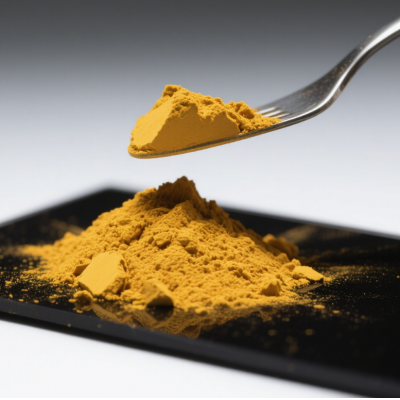
Titanium dioxide (TiO₂, CAS 13463-67-7) is a cornerstone inorganic pigment and UV filter widely utilized in cosmetic and personal care formulations, prized for its exceptional opacity, whiteness, and broad-spectrum UV protection capabilities. As a non-toxic, skin-friendly ingredient, it is a staple in sunscreens, foundations, powders, and whitening creams, delivering both aesthetic enhancement and functional skin defense.
In cosmetic formulations, titanium dioxide acts through two key mechanisms: light scattering and UV absorption. Its high refractive index enables it to scatter visible light effectively, masking skin blemishes and imparting a smooth, matte finish to makeup products. For sun care products, it absorbs and reflects UVA (320–400 nm) and UVB (280–320 nm) rays, forming a physical barrier on the skin surface to prevent UV-induced damage, such as sunburn and premature aging. Unlike organic UV filters, it is photostable and less likely to cause skin irritation, making it suitable for sensitive skin types.
Titanium dioxide for cosmetics is typically processed into nanoscale or micron-sized particles. Nanoparticles offer enhanced UV protection with minimal whitening effect, while micron-sized particles provide superior coverage for makeup applications. The ingredient is compatible with most cosmetic raw materials, including oils, emollients, and surfactants, ensuring stable integration into diverse formulations.
Compliant with global cosmetic regulations (including EU Cosmetics Regulation 1223/2009 and FDA guidelines), titanium dioxide is recognized as a safe and effective ingredient for daily use. Its versatility, combined with reliable performance, makes it an indispensable component in modern cosmetic formulations.