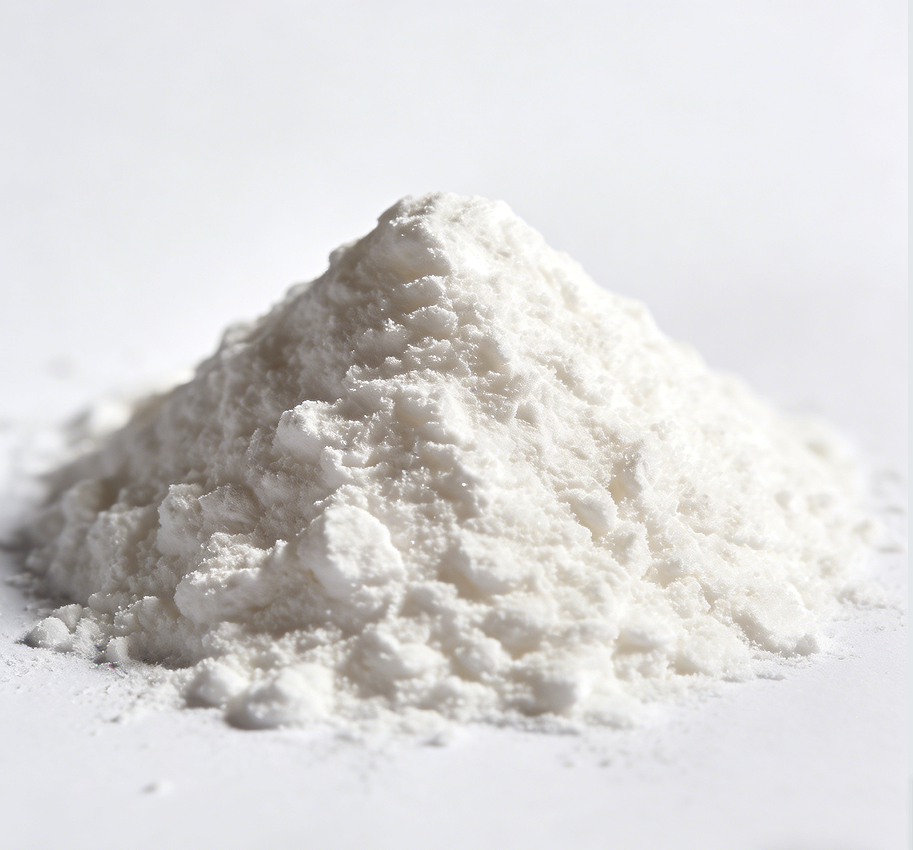
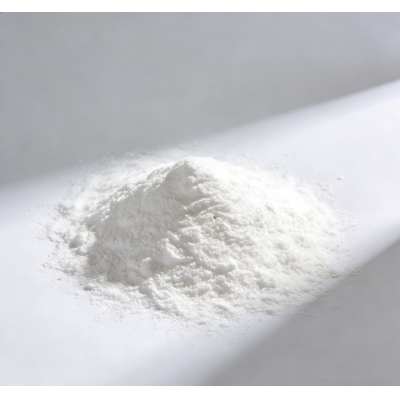
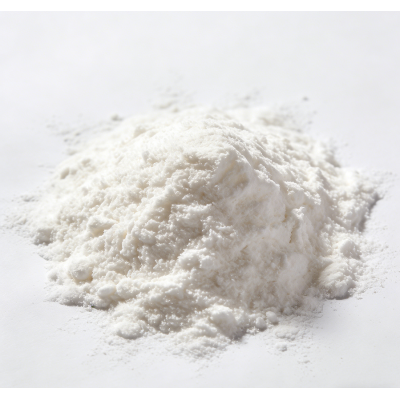
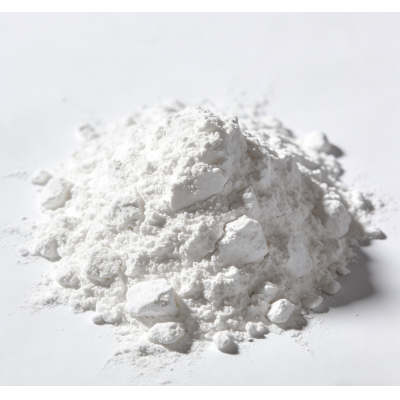
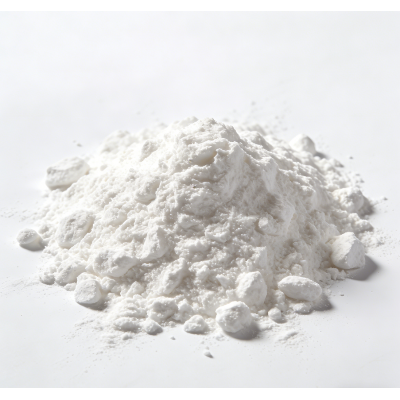
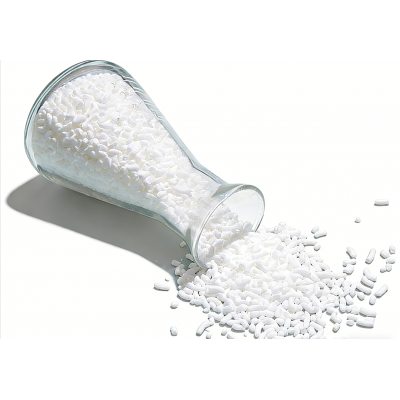
Ectoin (INCI: Ectoin, chemical name: (4S)-2-methyl-1,4,5,6-tetrahydropyrimidine-4-carboxylic acid) is a naturally occurring cyclic amino acid derivative produced by extremophilic microorganisms. First discovered in 1985 in the Dead Sea and salt lakes, this powerful molecule enables microbes to survive in extreme conditions like high salinity, UV radiation, and temperature fluctuations .
Ectoin acts as a "molecular shield" through two key mechanisms:
-
Hydration Layer Formation: Promotes water molecule clustering around proteins and DNA, creating a protective "hydro complex" that shields against environmental stressors .
-
Protein Stabilization: Prevents denaturation of enzymes and structural proteins under extreme conditions, maintaining cellular integrity PMC.
- Increases skin hydration by forming a moisture-locking barrier
- Reduces Transepidermal Water Loss (TEWL) by up to 19%
- Provides long-lasting hydration without greasiness
- Strengthens the epidermis and improves resilience to external aggressors
- Accelerates wound healing and post-procedure recovery
- UV Defense: Protects against UV-induced DNA damage and prevents photoaging
- Anti-Pollution: Neutralizes environmental toxins; only anti-pollution active approved for medical use in Europe
- Blue Light Protection: Mitigates digital screen radiation damage
- Calms irritated skin and reduces redness
- Protects Langerhans cells (skin immune cells) from damage
- Makes active ingredients like retinol more tolerable for sensitive skin
- Reduces wrinkle formation by enhancing collagen production