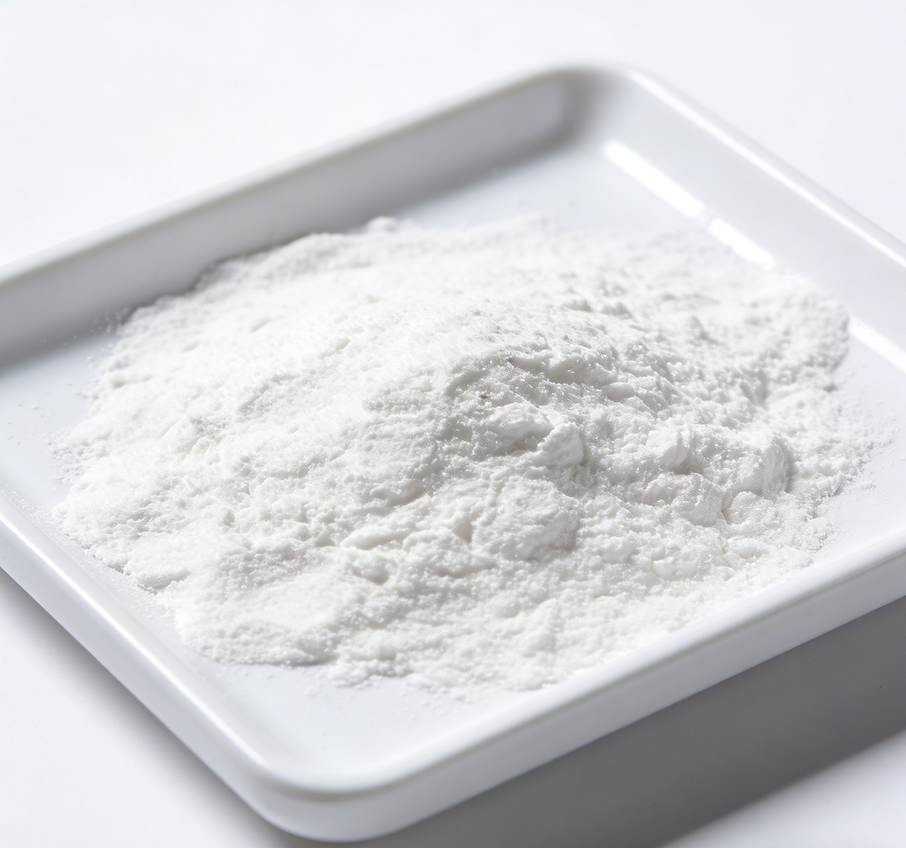
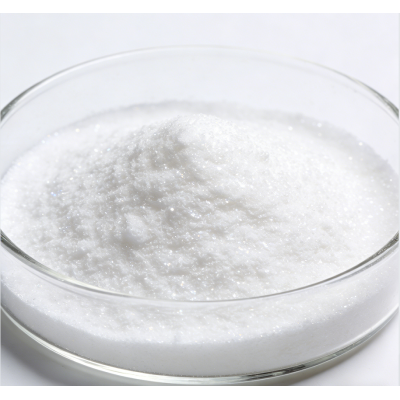
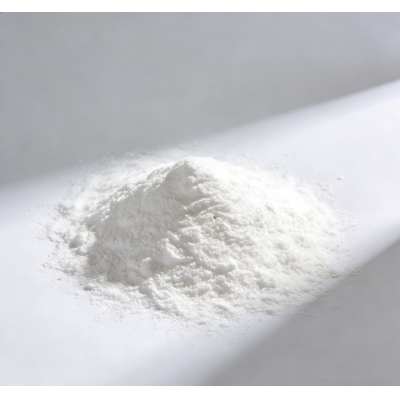
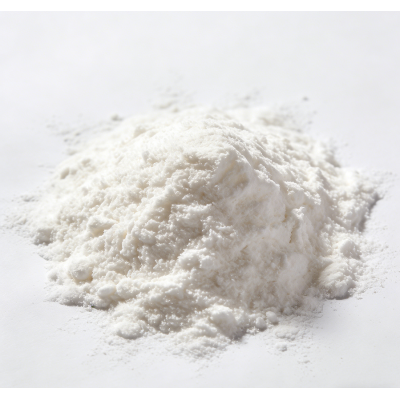
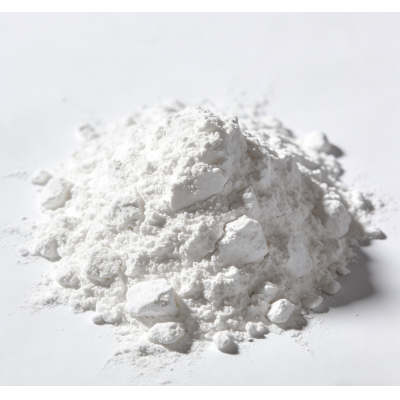
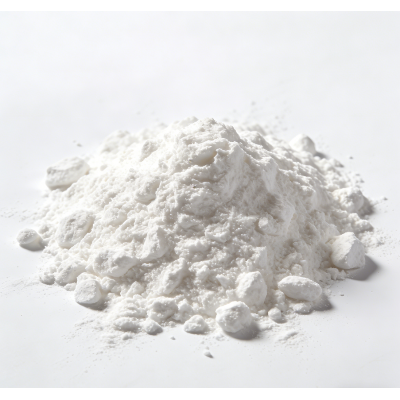
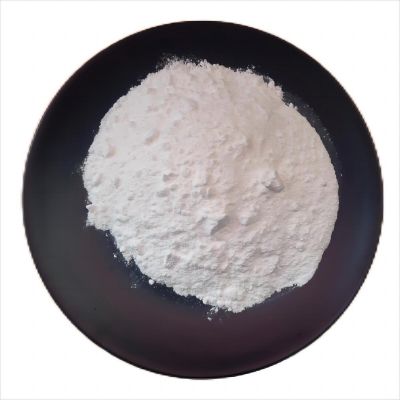
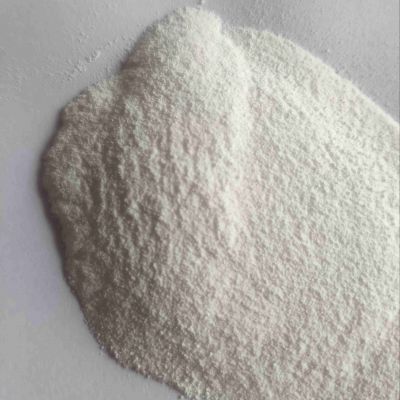
Beta - arbutin (INCI: Arbutin), with CAS 497-30-3, is a classic and widely - used skin - brightening cosmetic ingredient, chemically known as 4 - hydroxyphenyl - β - D - glucopyranoside. It is a glycoside derivative formed by the combination of glucose and hydroquinone via a β - glycosidic bond, naturally existing in plants like bearberry, blueberry, and pear leaves. Compared with its isomer α - arbutin, it has milder activity and higher cost - effectiveness, making it a staple in whitening and spot - lightening skincare products.
The primary function of beta - arbutin is to inhibit tyrosinase, the key enzyme in melanin synthesis. It binds to tyrosinase without damaging melanocytes, blocking the conversion of tyrosine to melanin and accelerating melanin breakdown and excretion, which effectively fades dark spots, age spots, and uneven skin tone. Additionally, it has mild anti - inflammatory and antioxidant properties, helping to soothe skin irritation and fight free - radical - induced aging, being suitable for most skin types including sensitive skin. It is commonly added to serums, creams, lotions, and masks, with a typical addition level of 1% - 7% for optimal efficacy.
It integrates easily into aqueous - based and water - ethanol cosmetic formulations. It is stable under neutral pH (5.0-7.0); avoid strong acid, strong base, and prolonged exposure to high temperature or direct sunlight during production and storage to prevent decomposition and hydroquinone release. It is safe for cosmetic use when formulated as per regulatory guidelines, with no obvious irritation at recommended concentrations.